Psychotherapy and EMDR
with
Taking on therapy is a challenging step and the work can certainly be daunting. And…the work can be inspiring as well. It can be fulfilling and empowering and liberating. Therapy is not merely an occasional soothing chat. Therapy is about making changes, sometimes big changes, sometimes frightening changes, but changes that can reshape a person’s perspective and emotional landscape and give them a life worth living.

Our Philosophy
Being here matters more than being perfect.
We approach your story with openness and compassion.
Small steps create meaningful and lasting change.
How I Can Support You

One-on-one support to help you navigate anxiety, stress, life transitions, and more.
Learn more
Strengthen connection, improve communication, and build a healthier relationship.
Learn more
Tools and support to help you manage worry, reduce overwhelm, and feel more at ease.
Learn more
Supporting teens through life’s challenges with empathy, guidance, and practical tools.
Learn more
Meet Your Therapist
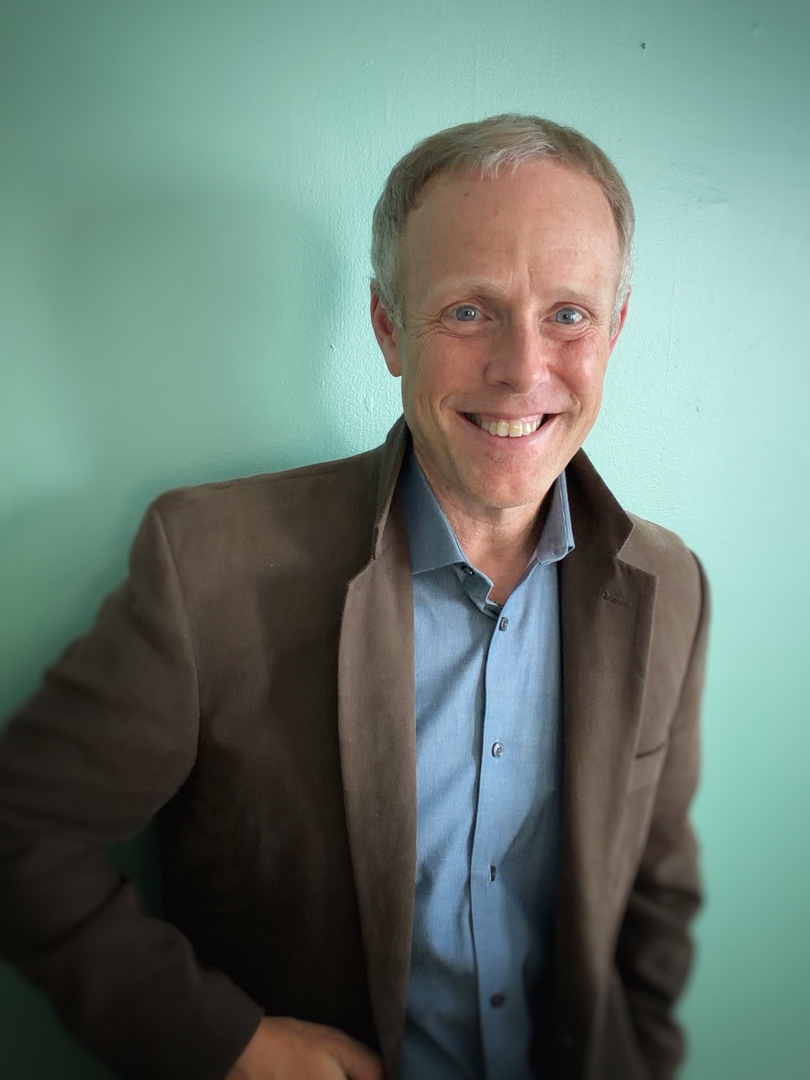
Tyler Boudreau is a Licensed Independent Clinical Social Worker practicing in the Commonwealth of Massachusetts.
Taking on therapy is a challenging step and the work can certainly be daunting. And…the work can be inspiring as well. It can be fulfilling and empowering and liberating.
An Integrated Approach
We can conceptualize this integration through the familiar categories: Mind, Body, and Spirit. Each dimension plays a vital role in the therapeutic process.
This is a part of therapy where we deal mainly with what is on our minds — our thoughts, beliefs, memories, values, etc. Clients can re-think their situations. They can reorganize their priorities and reframe issues. This is an area of therapy in which clients can claim new meanings for their memories and develop an understanding of where old meanings arose from. They can connect their cognitions with the sub-conscious activity of the Autonomic Nervous System (ANS).
My approach is both solutions focused (forward looking) and psychodynamic (backward looking). Effective treatment demands deep compassion for oneself and for others; it also demands a fairly dispassionate view of the neurobiological aspects of human experience and the natural functions for survival. In short, effective therapy needs our hearts and minds to work together.
This is a part of therapy where we deal with the activities of the subconscious mind and its effects on our nervous systems and our physical experience of life. By definition, what is sub-conscious cannot be directly accessed cognitively, but there are many ways to recognize patterned behaviors of the subconscious mind and develop effective responses to those patterns.
This is also an area of therapy where we will consider all the issues of the body, including health concerns, lethargy, hyperactivity, and chronic pain. The material challenges of life bring significant stressors to the mind.
This is a part of therapy where we will focus on the energetic experiences of life in this world. We feel the energetic presence of each other and of all life around us. Acknowledging that energetic force within ourselves and learning to work with it will help us to achieve overall health.
Whether one regards this energy through their religious beliefs and practices, or through other spiritual commitments, through nature or through more biological understandings, we can share in the value of mindfulness practices, meditation, and breathing exercises. We can connect our energy with the life energy around us and feel that pleasure.
A Few Words
A big part of therapy is learning how humans protect themselves neurobiologically. Below are a few concepts and terms you’ll likely encounter along the way.

The Autonomic Nervous System shapes our moment-to-moment feelings of safety and danger, and the physical sensations that bring many people to therapy.
Learn more
The natural division of labor within the brain and personality, and the inner dialogues we all experience among those parts.
Learn more
Early relationship patterns become templates for how we seek safety, avoid danger, and relate to others throughout life.
Learn more
Unresolved memories stored as if still occurring in the present, keeping the nervous system on alert and responding to triggers.
Learn moreEMDR activates the mind’s natural ability to process experiences and heal itself. Adaptive Resolution allows the mind to sift through what happened, keep what is useful, and let the rest go.
Learn more
Get in Touch
Send me a message if you’d like to have a conversation about starting therapy or find out more about what therapy might look like for you.
Unless other arrangements are agreed to, the consultation call will be conducted over video. I will schedule the session through the online therapy platform: SimplePractice.
Consultation calls may be as brief as fifteen minutes but I will make myself available for an hour so that we have time for all questions. There is no fee for consultation calls.